The Real Price of Car Commuting: Time, Money, Freedom
By:
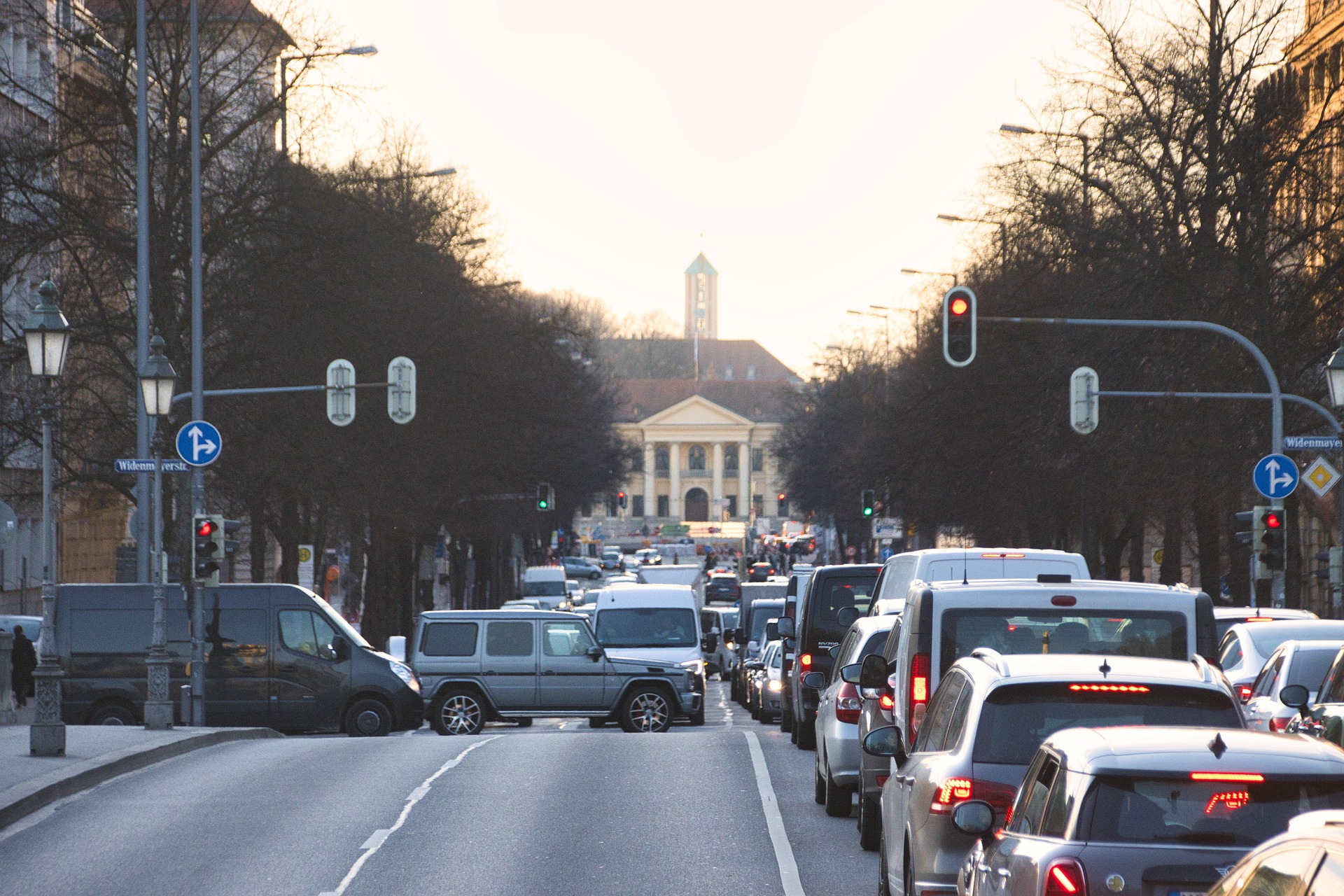
Every day, millions of people around the world begin their working day with a familiar morning ritual: the commute. For those lucky enough to work from home, this journey means moving into another room. For everyone else, it can last anywhere from minutes to hours.
A significant portion of these commuters travel by car. Hundreds of thousands, even millions of vehicles—most carrying fewer than two people—flood our streets each morning. It’s easy to understand why cars remain such a popular choice. You don’t have to rely on schedules or other people, they’re not crowded like public transport, and they offer flexibility to come and go as you please. In one word: freedom.
But is this freedom real, or is it just an illusion? When you start examining the reality of daily car commuting, the picture becomes more complicated. Public transport has improved dramatically in many areas, and alternative options like cycling and micromobility have surged in popularity over the past five years. So let’s ask the question: are cars really that advantageous for daily commuting?
The Time Factor: Not Always Faster
One of the biggest assumptions about car commuting is that it’s always faster. But is it?
I live in an urban area close to Milan that’s well-served by public transport, and I’ve done the math on my own commute. The same journey takes 58 minutes by car and 50 minutes by metro—during the same rush hour period. Yes, you read that right: the metro is actually faster.
Now, in the best-case scenario with no traffic, I could drive the route in 28 minutes. But here’s the catch: that only happens outside of rush hours. If I need to time my departure to avoid traffic, haven’t I already lost the flexibility that supposedly makes cars so appealing? I’m still bound by a schedule—just one dictated by traffic patterns rather than a timetable.
And then there are the worst-case scenarios: car crashes, road construction, unexpected closures. These can turn a predictable commute into an unpredictable nightmare. A relative of mine has actually found a hybrid solution—she drives to a bus stop on the highway, then takes public transport the rest of the way. This way, she avoids the stress of driving all the way to work and gains time to read, relax, or catch up on emails.
Yes, public transport can be affected by strikes, but these are usually announced days in advance, giving you time to plan alternatives. Compare that to sitting in unexpected gridlock with no warning and no escape route.
The flexibility myth deserves closer scrutiny. If achieving a reasonable commute time by car means leaving home or work at specific times to avoid rush hour, how flexible is that really? You’re still working around constraints—they’re just different ones.
The Money Factor: Not-So-Hidden Costs
When you actually calculate the costs, daily car commuting often doesn’t make financial sense. You can verify this for yourself by reading my other article, in which I provide the relevant calculations.
Cars are expensive—and I’m not just talking about the sticker price. There’s insurance, fuel, maintenance, repairs, parking fees, and depreciation. According to various studies, the true cost of car ownership can easily reach hundreds of euros per month, sometimes exceeding a thousand depending on the vehicle.
Public transport passes, by contrast, are typically a fraction of this cost. Even when you factor in the occasional taxi ride for those times when public transport won’t work, you’re still likely to come out ahead financially. For young professionals, families trying to save money, or anyone looking to optimize their budget, this difference is substantial.

The Free Time Factor: What Are You Actually Doing?
Here’s something often overlooked in the car versus public transport debate: what you can do with your time.
When you’re driving, you must be concentrated on the road. Your hands are on the wheel, your eyes are forward, and your mind is (or should be) focused on traffic. That’s 30, 60, even 90 minutes of your day spent doing nothing but steering and braking.
When you’re on a bus, metro, or train, that time becomes yours again. You can read that book you’ve been meaning to finish, catch up on podcasts, respond to messages, prepare for meetings, or simply close your eyes and rest. Some of my most productive reading time happens during my commute. That “wasted” transit time becomes valuable personal time.
When Cars Make Sense
I’m not here to argue that cars should never be used for commuting. There are legitimate situations where driving is the right choice:
- When alternatives take significantly longer: If a 20-minute drive becomes a 90-minute public transport journey with multiple transfers, the car makes sense for many people.
- When you live in poorly serviced areas: Some neighborhoods simply don’t have adequate public transport infrastructure. In these cases, a car may be unavoidable—though it’s worth exploring whether cycling or other alternatives could work for at least part of the journey.
- When your schedule requires multiple stops: If you need to pick up children, run errands, or make appointments along your route home, the convenience of a car can be genuinely valuable.
- When public transport reliability is poor: In areas where buses are frequently late or cancelled, the frustration may justify driving despite the costs.
In these situations, using a car is justified and practical.
Rethinking the Default
I’m not saying everyone should abandon their cars tomorrow. But if you have decent public transport options, it’s worth questioning the automatic choice of driving.
Try this: track your actual commute times for both methods. Calculate your real costs. Consider what you could do with that reclaimed time.
The “freedom” of car commuting often turns out to be an illusion—you’re still bound by traffic patterns, parking struggles, and mounting costs. Meanwhile, public transport offers a different kind of freedom: freedom from driving stress, freedom to use your time as you wish, and financial freedom.
Are cars really that advantageous? For daily commuting with reasonable alternatives, the answer is more complicated than we’ve assumed.